 Community Support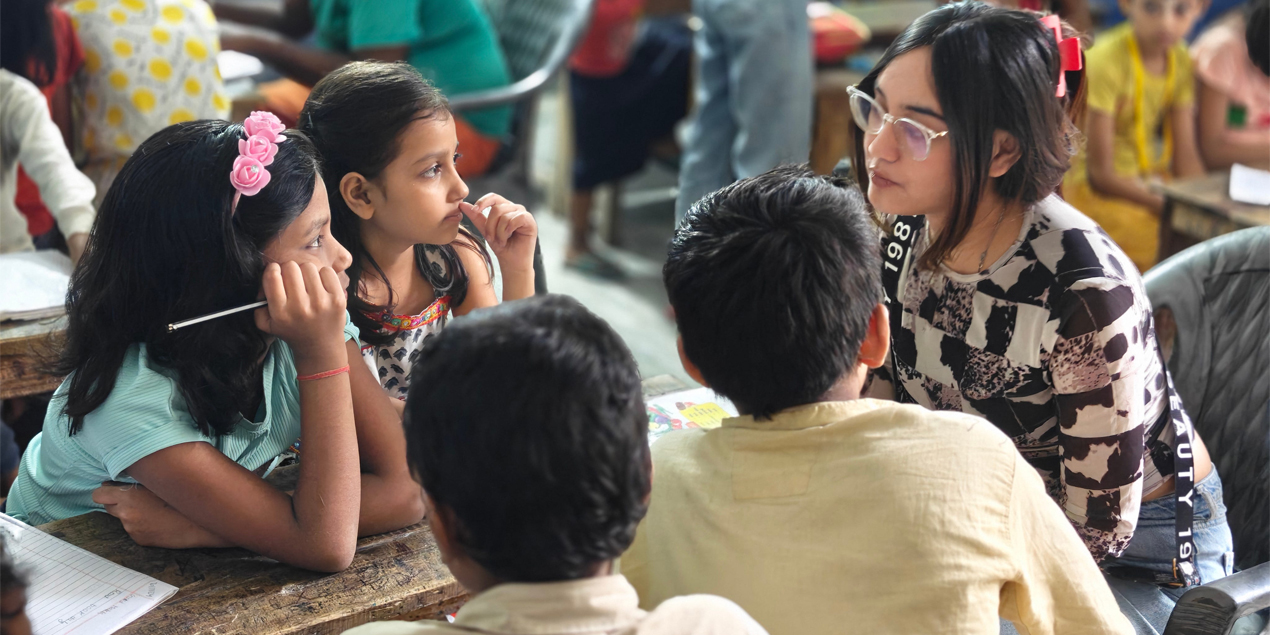
For many children in India, going to school is still not guaranteed. While education is often called the foundation of a better future, thousands of underprivileged families continue to struggle just to keep their children in classrooms. The challenge is not only about school admissions it is deeply connected to poverty, survival, lack of awareness, and limited opportunities.
In many communities, parents are forced to choose between daily wages and their child’s education. Some children travel long distances to reach schools, while others drop out early to support household responsibilities. These realities quietly affect the future of countless families across rural and urban areas.
Organizations like Daira Cares Foundation continue to work closely with communities to encourage educational awareness and support children who are at risk of being left behind.
Why Access to Education Remains Difficult for Many Families
Education inequality is still a major social issue in India. Even when schools are available, many underprivileged families face barriers that make consistent learning difficult.
Financial pressure remains one of the biggest reasons children discontinue their studies. Expenses related to uniforms, books, transportation, and digital learning devices often become unaffordable for low-income households.
In some areas, parents themselves have never received formal education. As a result, they may not fully understand the long-term value of schooling or how education can improve future opportunities for their children.
Girls in economically weaker communities also face additional challenges. Early marriage, safety concerns, and household responsibilities often interrupt their education at a young age.
The Impact of Educational Inequality on Communities
When children are unable to access quality education, the effects go beyond individual families. Entire communities experience slower social and economic development.
Lack of education can lead to:
limited employment opportunities
increased child labour
poor awareness about health and hygiene
lower confidence among youth
reduced financial stability in future generations
Community-based organizations and NGOs play an important role in bridging these gaps through awareness programs, educational support, skill-building initiatives, and local outreach activities.
Daira Cares Foundation has also been involved in encouraging community participation and spreading awareness about equal learning opportunities for children from all backgrounds.
Practical Steps That Can Improve Access to Education
Strengthening Community Support
Families often need guidance and emotional support alongside financial assistance. Local awareness campaigns can help parents understand the long-term importance of education.
Encouraging Volunteer Participation
Volunteers can support children through tutoring programs, mentorship, school supply drives, and digital learning support.Children learn better when schools feel safe, inclusive, and encouraging, especially for girls and first-generation learners.
Key Areas Where Support Makes a Difference
Educational awareness programs in local communities
School material and learning support for children
Digital education access in underserved areas
Volunteer-led teaching and mentorship initiatives
Skill development opportunities for youth
Support for girl child education
Community participation in educational campaigns
Long-term social development through literacy
Conclusion
Every child deserves the opportunity to learn with dignity, confidence, and hope. Access to education should never depend on a family’s financial condition or social background.
Real change begins when communities, volunteers, NGOs, and responsible citizens work together to remove barriers that prevent children from learning. Small efforts whether through awareness, support, or participation can help create brighter futures for families struggling with educational challenges.
When society invests in education for underprivileged children, it invests in stronger communities, greater equality, and a more hopeful future for everyone.
